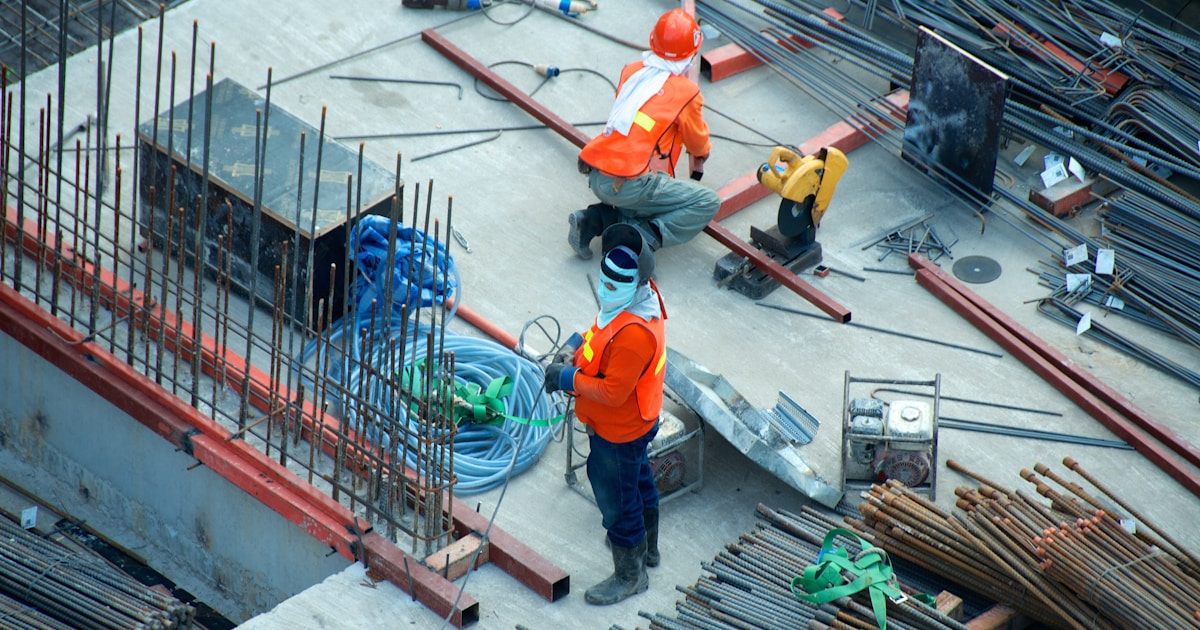

Don't hire a Washington roofer without asking these 15 critical questions. Covers licensing, insurance, warranties, pricing transparency, and local experience.
Hiring the wrong roofing contractor is one of the most expensive mistakes a Washington homeowner can make. These 15 questions help you separate professional, trustworthy roofers from the rest.
Licensing & Insurance
1. "What is your WA L&I contractor registration number?"
Every legal roofing contractor in Washington must be registered with the Department of Labor & Industries. Verify their number at lni.wa.gov. No registration = walk away immediately.
2. "Can you provide a current certificate of insurance?"
Require proof of both general liability insurance and workers' compensation coverage. If a worker is injured on your property and the contractor lacks workers' comp, you could be liable.
3. "Do you carry an umbrella policy?"
For higher-value homes, ask about additional liability coverage beyond the standard policy. This protects you in case of significant property damage during the project.
Experience & Qualifications
4. "How long have you been roofing in Washington?"
Experience in Washington specifically matters. Our climate is unique, and contractors from other regions may not understand moss prevention, rain detailing, or local code requirements.
5. "Do you hold any manufacturer certifications?"
GAF Master Elite, Owens Corning Preferred, CertainTeed SELECT — these certifications require training, inspection, and customer satisfaction standards. They also unlock better warranty options.
6. "Can you provide 3 references from projects completed in the last 6 months?"
Recent references are more relevant than older ones. Call them and ask about communication, cleanliness, timeline adherence, and post-project responsiveness.
7. "Have you worked on homes in my neighborhood?"
Local experience means familiarity with your area's architecture, permit requirements, and specific challenges (e.g., tree coverage, salt air exposure, steep lots).
The Estimate
8. "Is this a written, itemized estimate?"
A professional estimate should detail materials (brand and product line), labor, permits, tear-off/disposal, underlayment, flashing, and accessories. Lump-sum estimates hide potential shortcuts.
9. "Does this include permit costs and inspections?"
The contractor should handle the permit process. Confirm the fee is included or separately listed in the estimate.
10. "What's your payment schedule?"
Standard practice: no more than 10–30% deposit upfront, with the balance due upon completion and your satisfaction. Never pay in full before work begins.
Warranties & Guarantees
11. "What manufacturer warranty comes with the materials?"
Know the difference between a standard warranty and an enhanced warranty (available through certified installers). Enhanced warranties often cover both materials and labor.
12. "What is your workmanship warranty?"
This covers the contractor's installation quality, separate from the material warranty. Look for 5–10 years minimum. The best contractors offer 15–25 year workmanship warranties.
13. "What happens if there's a problem after the warranty period?"
This reveals the contractor's long-term commitment. Established companies will still respond to past customers; fly-by-night operations may not exist in 5 years.
Project Details
14. "What is the expected timeline, and what could delay it?"
A professional contractor gives a clear timeline and proactively communicates about weather delays, material availability, or other potential issues.
15. "Who will be the on-site supervisor?"
Know who to contact if you have questions during the project. The person writing the estimate may not be on-site daily — find out who will be.
Bonus Red Flags
Beyond these questions, watch for these warning signs:
- Door-to-door solicitation after storms — often out-of-state storm chasers
- Pressure to sign immediately — legitimate contractors let you decide on your timeline
- Cash-only requests — indicates potential tax or licensing issues
- No physical address — reputable companies have a verifiable office or shop
- Unwillingness to provide written documentation — everything should be in writing
Print this checklist and bring it to every contractor meeting. A good roofer will welcome your due diligence — they know it separates them from the competition.
Frequently Asked Questions
How much should I pay a roofer upfront?
No more than 10–30% as a deposit. The balance should be due after completion and your final walkthrough. Never pay the full amount before work begins.
How do I check if a WA roofer is licensed?
Visit lni.wa.gov and use the Contractor Verification tool. Enter the company name or UBI number to verify active registration, bond amount, and insurance status.
Construction Journalist & Technical Editor
12 years covering the construction and home improvement industry. Former editor at Pacific NW Building magazine with deep expertise in WA building codes and permit processes.